There’s an old reflex in digital marketing: you post on social media to be seen, liked, shared. You track engagement, reach, impressions. That was true ten years ago, five years ago, even a year ago. It’s not quite true anymore, and the distinction is worth sitting with, because it fundamentally changes how a hotel, a destination, or a restaurant should be producing social content.
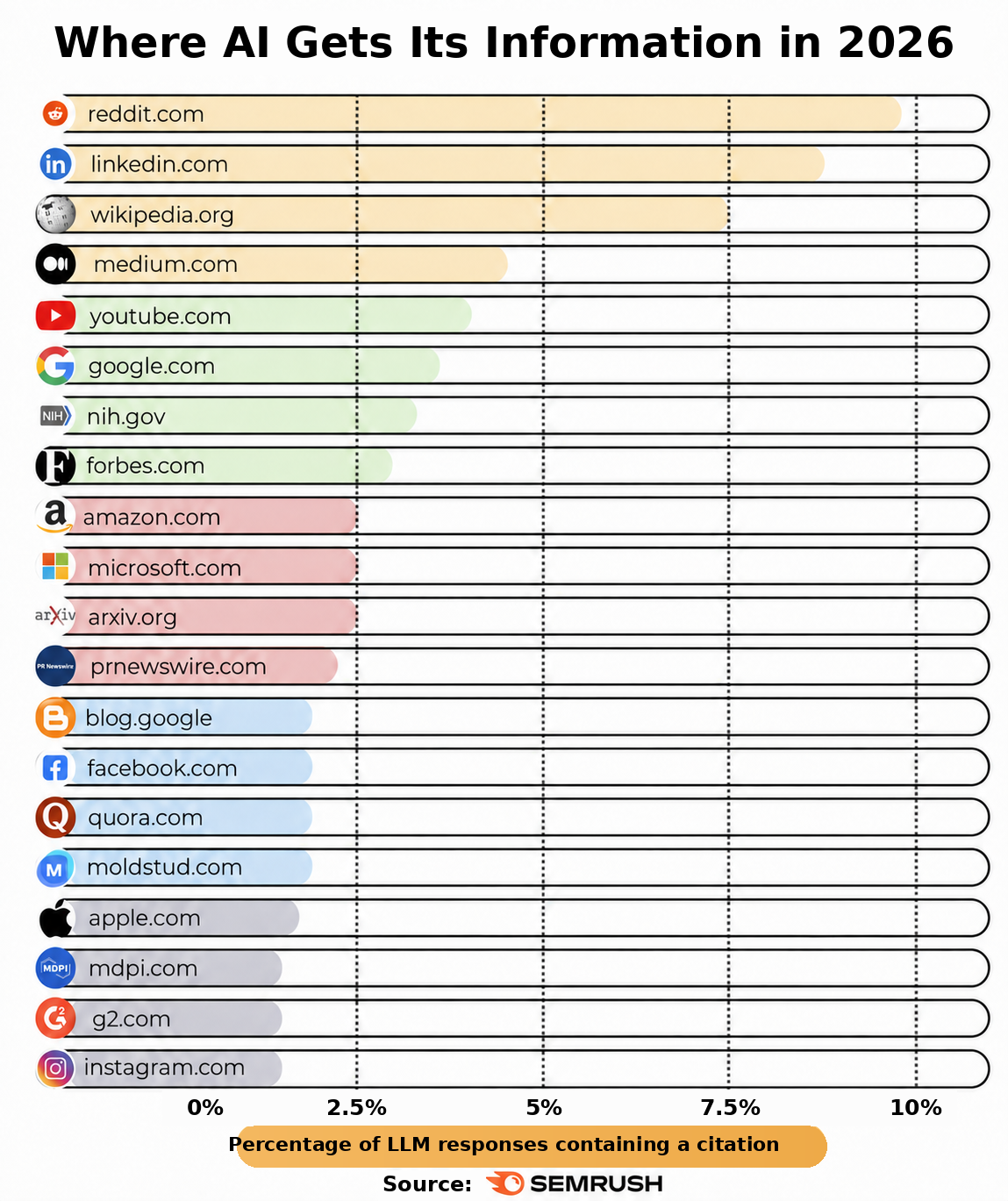
For a while now, SEO experts have been documenting a shift that a lot of us sensed without necessarily naming it out loud: a brand’s visibility no longer plays out solely on Google, or even in traditional search mode. It plays out everywhere a traveler asks a question, and increasingly, those questions get routed through an answer engine that pulls its raw material from Reddit, YouTube, LinkedIn, Pinterest, or TikTok before synthesizing a response. The takeaway is clear: the era of social, SEO, and paid teams working in silos is over. Put differently, the social media manager and the SEO specialist at your tourism office should probably be talking to each other more often than just at the coffee machine.
Welcome to the age of gso
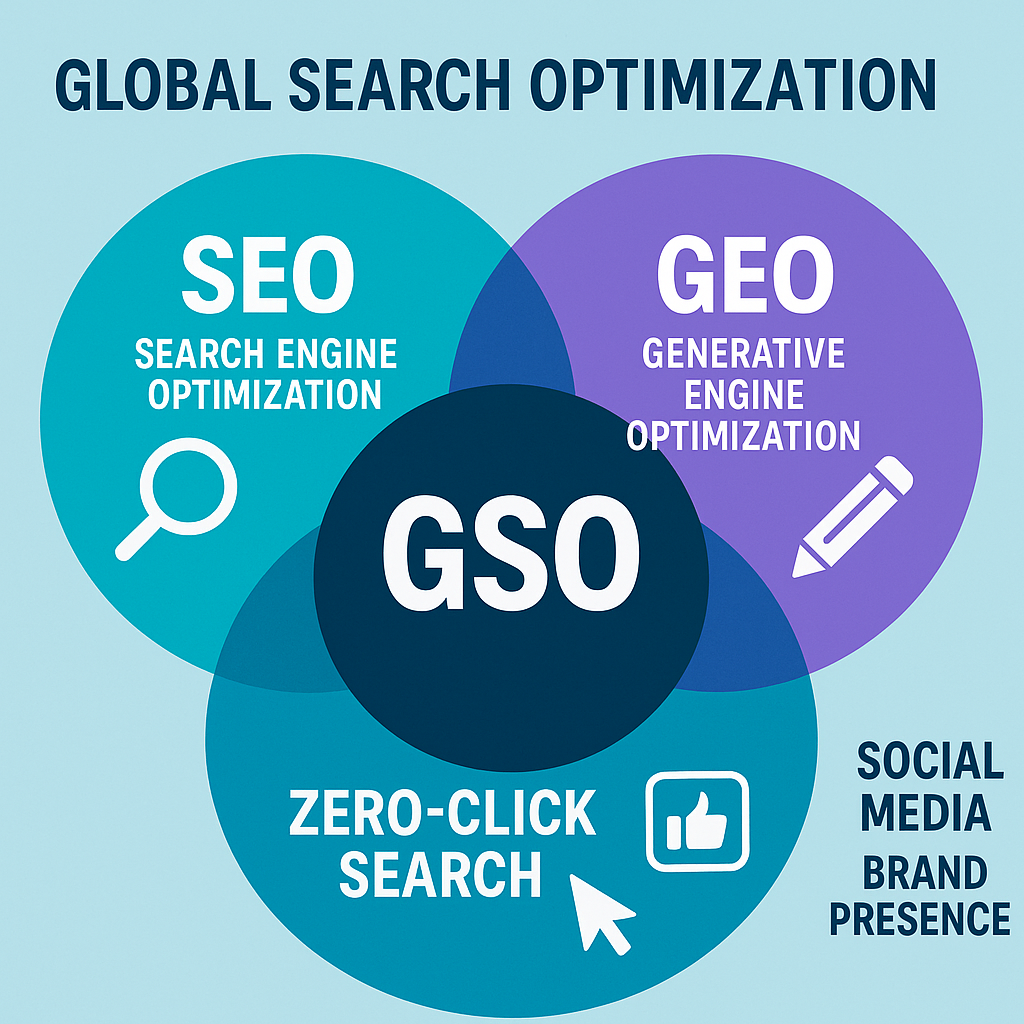
It’s no accident this resonates with me. I’ve been making the case for a while now for a broader vision of discoverability, one I call GSO, for Global Search Optimization. The idea is simple: your website, your Google Business Profile, your social channels, and your presence in generative AI engines aren’t separate silos to manage independently anymore. They are facades of the same building. What some call “search everywhere,” I call GSO. Different angles, same conclusion, which is never a bad sign.
In a recent post on this blog, I wrote about how a string of digital audits over the past few months forced me to revisit some assumptions I’d been holding onto. One of the lessons that came out of it touched directly on this ecosystem: it’s not your website that makes you exist in the eyes of AI, it’s everything said about you elsewhere on the web. Language models don’t read your site in a vacuum. They read travel media coverage, directory listings, mentions on partner sites, and increasingly, the conversational content circulating on social media. A LinkedIn post from a DMO that concretely answers a question, a Reddit thread where a traveler recommends a property in their own words — that becomes a cited source. A polished ad dressed up as a post does not.
rethinking how hospitality brands approach social content
This is where it breaks down for a lot of tourism organizations. Most social content still being produced today is built to persuade, not to answer. “Live an unforgettable experience” never gets cited by an answer engine. A clear, useful answer to “what’s the best time of year to visit this region” or “how do I choose between these two resorts,” on the other hand, absolutely does. The content that performs best with AI is, as it turns out, often the same content that builds trust with a traveler who isn’t ready to book yet. That’s not one more technical box to check off. It’s a genuine opportunity to do better marketing, full stop.
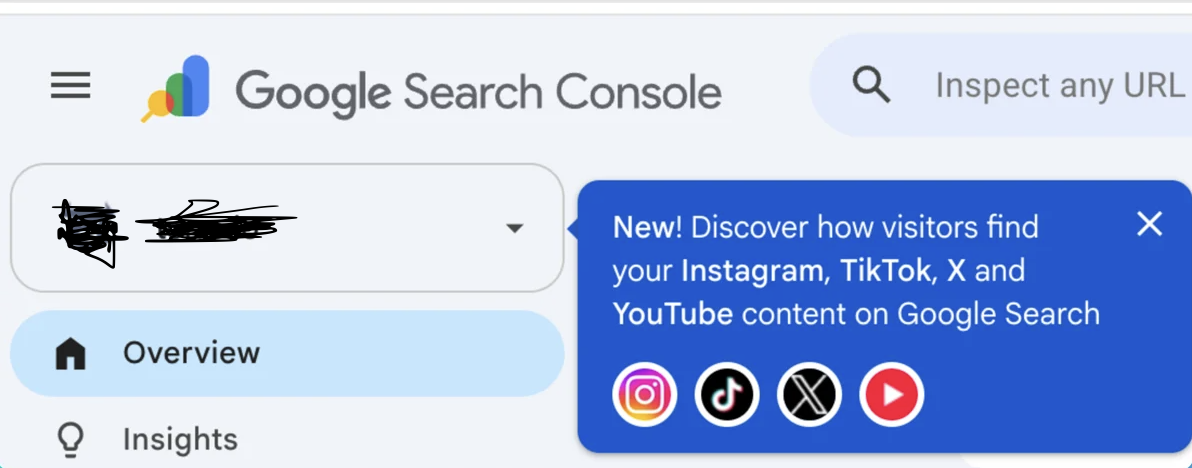
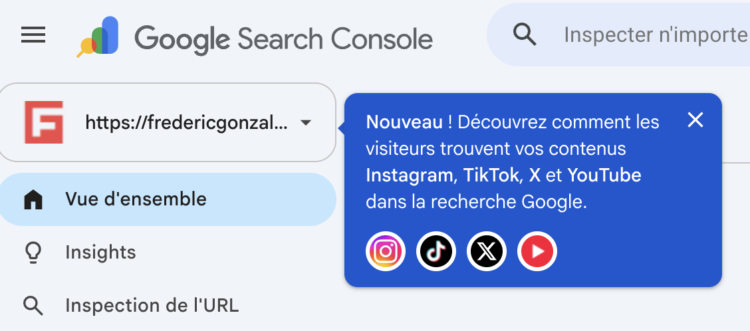
There’s another development reinforcing all of this: Google just rolled out “platform properties” in Search Console to everyone. In practical terms, a hotel or attraction can now create a separate property for its Instagram, TikTok, X, or YouTube account and get a performance report showing which Google queries are driving traffic to those posts: clicks, impressions, positions, much like a standard website property. Until now, a Reel or a YouTube video could only be measured within its own platform, through reach and engagement. There was almost no way to know whether that content was also being discovered through a Google search. That blind spot has officially closed: an Instagram post or TikTok video that answers a traveler’s question well can now be found on Google the same way a page on your website can, with the data to prove it.
social media is now a search engine
So what does this actually mean for a tourism or hospitality brand’s social channels? First, stop thinking about your posts purely in terms of the platform’s algorithm. Think about the real questions your potential guest is typing into Google, ChatGPT, or Perplexity. Then, go back and mine your best existing content: sharper titles and descriptions, proper captions on your videos, profile bios that clearly state what your property or destination actually offers. Finally, set up your platform properties in Search Console as soon as they’re available for your accounts. You will finally have real data on whether your posts are being discovered through Google, instead of guessing from Instagram or TikTok’s native stats alone.
Engagement and reach haven’t disappeared as measures of success. But they no longer tell the whole story. The real question to ask before you hit publish, from now on, is this: if an AI engine had to pull an answer out of what I just wrote, would there be anything there to work with?








Leave a Reply