
Guests talk about your property whether you’re listening or not. On Google, on Instagram, in Facebook groups, in the group chat where someone just asked “is this hotel actually worth it?” And, yes, at the breakfast table the next morning, when yesterday’s check-in experience gets a full replay for anyone within earshot.
Think about it for a second. The star rating your guest left on Google after checkout. The TripAdvisor review comparing your inn to the one down the road. The Booking.com comment about the noisy air conditioner. The Instagram story tagging your restaurant with a plate that looked better in person than in the photo. Michelin stars, Expedia scores, Yelp check-ins… the entire travel industry now runs on a running public verdict, updated daily, that no property fully controls.
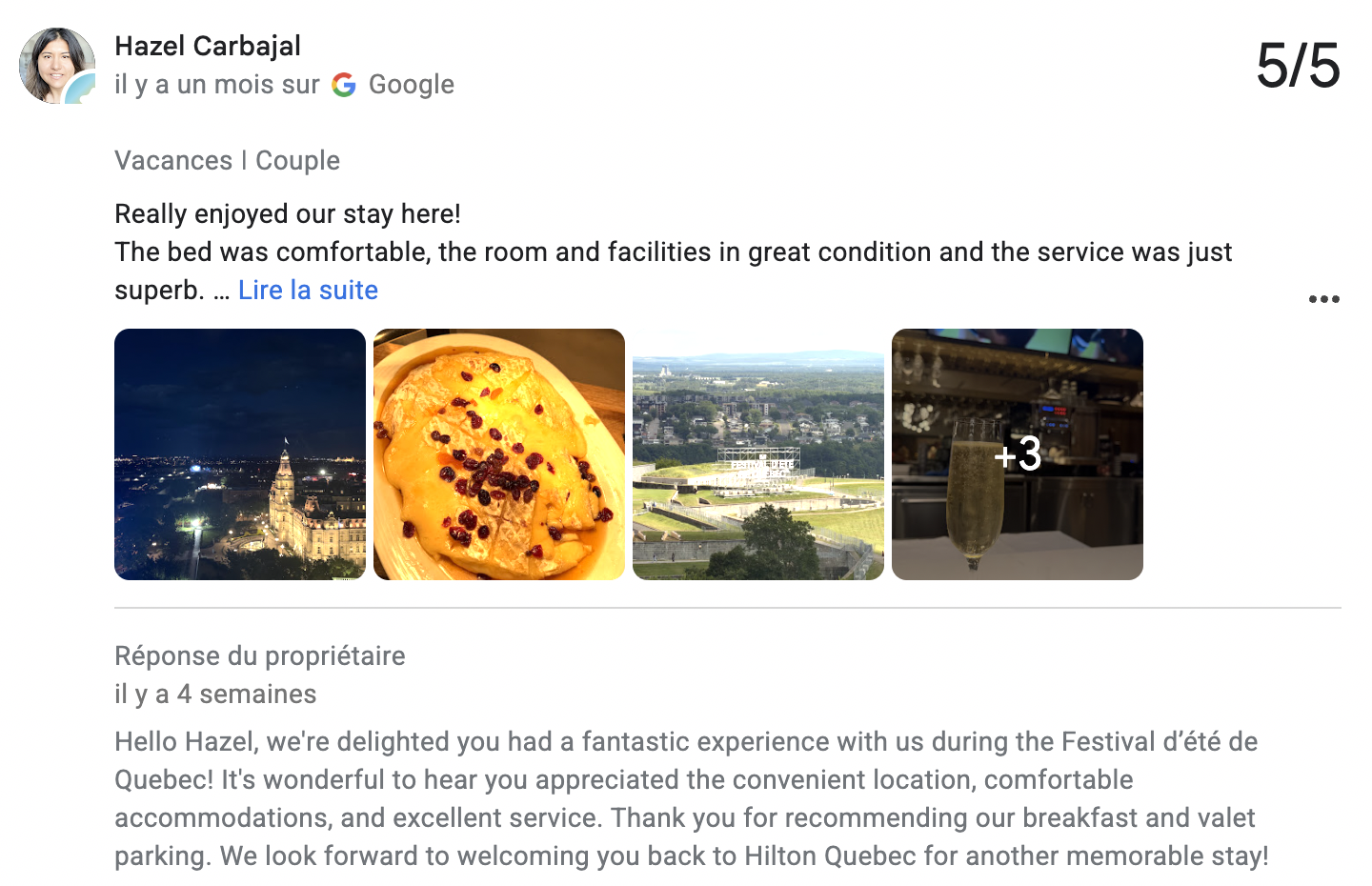
Everywhere in the digital world, there’s now a system for rating products, services, and experiences in real time. As a traveler, you’re free to take part or not, as everyone has their own habits. But for a hotel, inn, restaurant, or tourism operator, online reviews are no longer optional scenery. They shape your brand, meaning the impression a future guest forms of your property before they’ve ever set foot in the lobby.
Reputation management, then, isn’t a side task. It belongs in your daily operations, and responding to reviews and comments sits at the center of it. Here’s why.
The weight of online reviews in travel decisions
A handful of numbers make the case better than any pep talk. Roughly nine in ten travelers read reviews before booking a stay or a table. A large majority say they trust a stranger’s review as much as a recommendation from friends or family. Guests are even willing to pay a meaningful premium (often cited around 20 percent) to book with a property that has built a strong reputation. More than half of travelers who leave a review expect a reply within the week. And yet a large share, well over half, say they’ve never received one.
That gap is the real story. Two-thirds of reviews in travel and hospitality go unanswered, at a time when the traveler booking journey runs almost entirely on trust signals collected from strangers.
The platforms that matter
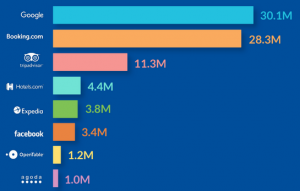
Those reviews don’t sit quietly in one place. They’re scattered across Google, TripAdvisor, Booking.com, Expedia, Yelp, and increasingly social platforms acting as discovery engines in their own right.
- Restaurants make up close to half of all Yelp reviews, a reminder that dining is often the first reputation battlefield for any destination
- A majority of travelers check Google reviews before deciding where to stop, eat, or book
- A property carrying four or more negative Google reviews can lose a significant share of prospective bookings before a single email is sent
- More than half of Facebook users say reviews and recommendations shape both their online and in-destination purchase decisions
“Yes, but Frédéric, we know exactly who left that one-star review. They complain about everything, we’re not wasting our time replying,” is a line I’ve heard in more than one hotel boardroom, phrased a dozen different ways. The problem is that you know the guest. I don’t. Neither does the next traveler scrolling through your reviews at midnight, deciding between your property and three others open in nearby tabs. They only get one side of the story, and it’s the unhappy one.
Negative reviews deserve a reply first
Look closely at guest psychology and the question becomes why people leave reviews at all. In close to four cases out of ten, travelers simply want to hear “we’re sorry” from the property that fell short of what was promised: a room that wasn’t ready, a meal that missed the mark, a check-in that dragged on too long. For a larger share, closer to seven in ten, the motivation is protective: they want to spare the next traveler the same disappointment.
That’s exactly why negative reviews carry the most weight to answer. A thoughtful reply reframes the situation, addresses what was raised directly and, where it applies, spells out the fix that’s already underway or already done.
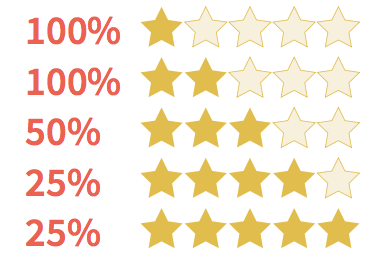
It also helps to know that the overwhelming majority of hospitality reviews sit in the four- and five-star range, despite the popular belief that review sections are a minefield. Industry analysis of major booking platforms has found that barely one review in twelve falls into the one- or two-star category. Answer every review, even the three-star ones sitting in the middle, and the workload is smaller than it looks, since the genuinely rough ones are the minority. If that’s not the case for your property, the issue probably isn’t the reviews.
Comments deserve the same treatment
Most of the statistics above focus on formal reviews, but the same logic applies to questions and comments left on your website, your Google Business Profile, or your social channels. Unanswered questions under a hotel’s Instagram post or a restaurant’s Facebook page send the same signal as an unanswered review: indifference, whether or not that’s the intent.
That’s the case for building this into your operations permanently, with someone clearly responsible and accountable for the property’s online reputation.
Read also: Best Practices in Travel: Online Reputation









Leave a Reply